
As temperatures cool and outdoor adventures start calling, now is the perfect time to brush up on one of the most important obedience skills: loose leash walking. Whether you’re planning hikes, trips to dog-friendly festivals, or relaxing strolls through the park this fall, your dog’s leash manners will make or break the experience.
Loose leash walking isn’t just about making walks more pleasant. It’s about communication, safety, and setting the tone for how your dog interacts with the world. If your pup pulls you down the street, gets distracted every few steps, or lunges at other dogs, fall outings won’t be relaxing at all.
Let’s look at what it takes to master loose leash walking before autumn adventures begin.

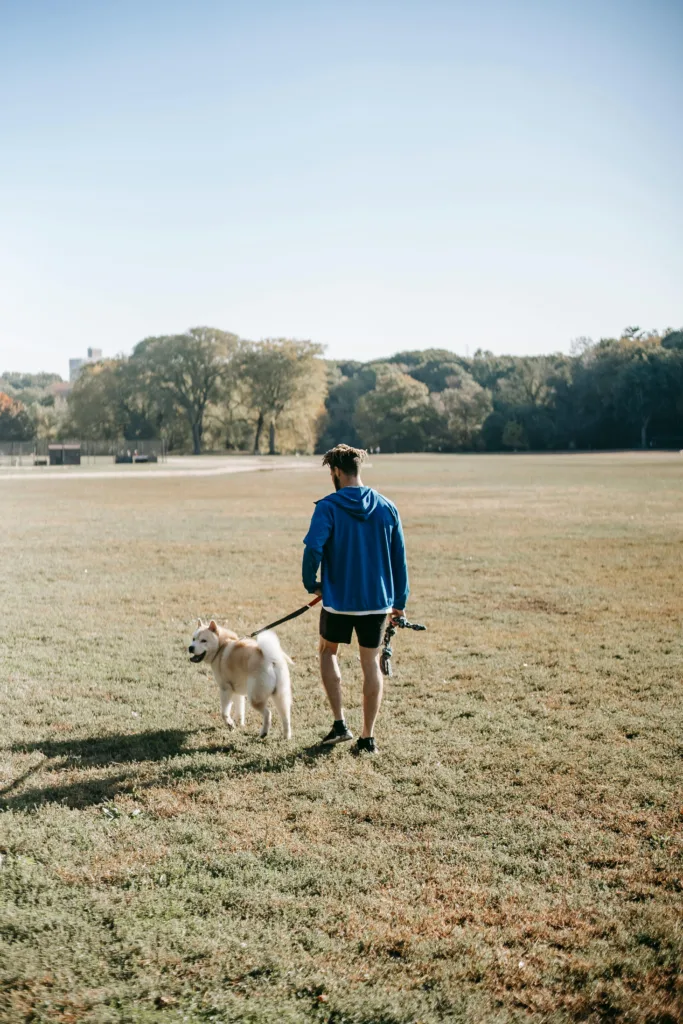
What Is Loose Leash Walking?
Loose leash walking means your dog walks calmly beside you without pulling, dragging, or forging ahead. This is different from the “heel” command, which requires strict focus and positioning. Loose leash walking is more casual and meant for everyday strolls. Key characteristics:- The leash remains slack (not tight or stretched)
- Your dog walks near you, not way out in front
- Your dog checks in with you frequently
- Pulling is minimal or non-existent
- You feel in control and relaxed during the walk
Why Fall Is the Best Time to Train
Fall weather in Tennessee brings ideal walking conditions. Lower temperatures mean more comfortable walks for you and your dog. Many outdoor events become pet-friendly, and hiking trails become a popular weekend activity. But busy parks, falling leaves, squirrels, food trucks, and crowds can all become distractions. Training now will ensure your dog is ready to handle those outings with focus and control. For dogs that pull during walks or react to outdoor distractions, we offer hands-on coaching through our Basic Obedience Program to teach leash control in real-world conditions.Why Dogs Pull on the Leash
Before fixing the behavior, it helps to understand why it happens. Common reasons for leash pulling:- Lack of training or inconsistent rules
- Overexcitement about the environment
- Reinforcement of bad habits (e.g., they pull and still get where they want)
- Lack of physical or mental exercise
- Using the wrong equipment
Tools That Help With Loose Leash Training
Choosing the right gear can make a big difference in your dog’s success. Recommended tools:- Standard 4- to 6-foot leash (no retractables)
- Flat collar, prong collar, or e-collar (used with guidance)
- Treat pouch for rewards and engagement
- Slip lead for quick reinforcement
- Long line (15–30 feet) for outdoor practice
Step-by-Step Training Strategy
Loose leash walking doesn’t happen overnight, but it becomes easier with consistency and structure. Follow these steps:Step 1: Start Indoors
Practice walking with your dog on a leash inside the house or in the backyard. Focus on keeping the leash slack and rewarding check-ins.Step 2: Use “Let’s Go”
Instead of “heel,” which is more formal, use a relaxed cue like “let’s go” to signal the start of walking. Keep your tone upbeat but firm.Step 3: Reward for Position
Every time your dog walks near you without pulling, mark the behavior with a word like “yes” and give a treat or praise.Step 4: Stop When They Pull
The moment your dog pulls, stop walking. Wait for them to return to your side or create slack, then continue. This teaches pulling doesn’t get results.Step 5: Add Distractions Gradually
Once your dog walks nicely in quiet areas, begin practicing in more challenging spots like neighborhoods, parks, or parking lots.Tips for Fall Adventures
With fall comes more chances to test your dog’s walking skills in real life. Here’s how to stay on track: For hiking trails:- Practice leash walking before hitting crowded trails
- Watch for squirrels, deer, or other wildlife distractions
- Use a long line for space, but keep control with recall training
- Bring a treat pouch and practice “leave it” around food or garbage
- Reinforce calm behavior around other dogs
- Use the “place” command at seating areas to help your dog settle
- Practice engagement drills like “look at me” during calm moments
- Use short, structured walks to reinforce habits before adding distance
- Incorporate small obedience tasks between walking segments
How Long Does It Take to Train Loose Leash Walking?
It depends on your dog’s age, energy level, and previous habits. Some dogs catch on in a few weeks, while others need consistent practice over months. The most important factor is consistency. Short, focused walks (10–15 minutes) are often more effective than hour-long battles. Build the habit slowly and celebrate small wins.When to Call in a Professional
If you’re doing all the right things but your dog still pulls:- You’ve tried training but nothing sticks
- Your dog reacts to people, dogs, or cars
- Walks feel stressful or dangerous
- You’re physically being pulled or injured