*Guarantee details: our results, satisfaction, and lifetime support/refresher guarantees apply to select programs only, and terms vary by program. Please contact us for the full guarantee terms that apply to your dog's program.*
Why Crate Training Gets a Bad Reputation
Most of the stigma around crate training comes from misuse. A crate should never be used as:- A place to “banish” your dog for misbehavior
- A substitute for exercise, play, or bonding
- Long-term isolation without breaks
Benefits of Crate Training
The advantages of crate training go far beyond housebreaking. Here are a few of the biggest benefits:- House Training: Dogs naturally avoid soiling their sleeping areas, making crates effective for potty training puppies.
- Safety: Prevents destructive behavior and keeps your dog out of harm’s way when unsupervised.
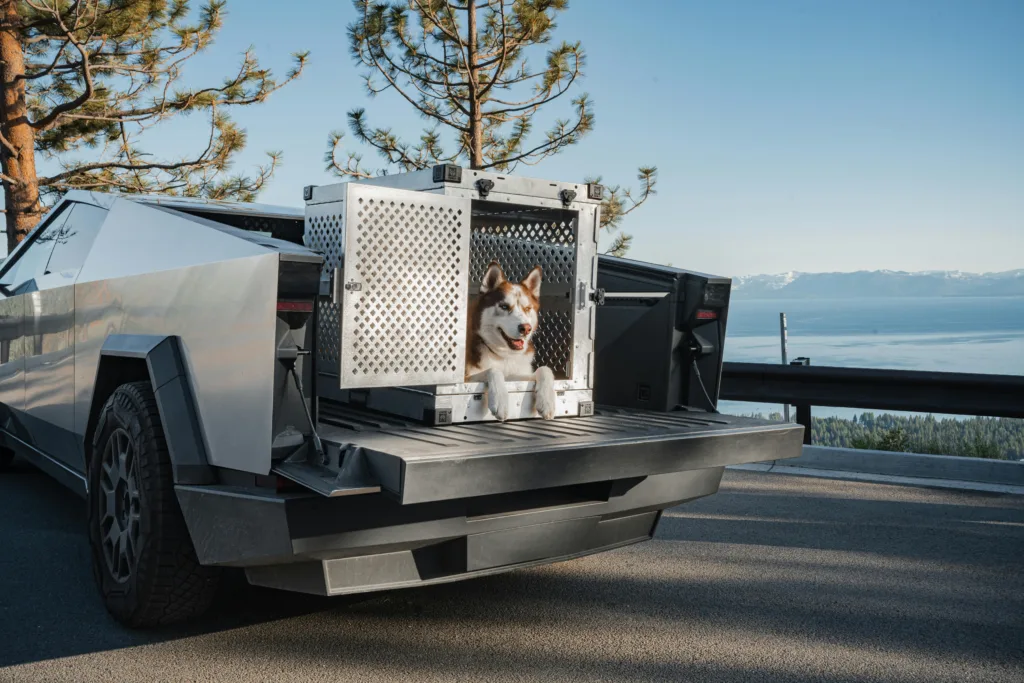
- Travel: Crates make car rides and overnight stays less stressful and safer.
- Boundaries: Helps manage energy in multi-dog or kid-filled households.
- Relaxation: Teaches dogs how to settle themselves, an important life skill.
How to Introduce the Crate Positively
Crate training should always start with positive associations. The goal is for your dog to view the crate as their personal den. Steps to follow:- Make It Comfortable: Add a soft mat or blanket, and place the crate in a quiet but not isolated area.
- Introduce Slowly: Leave the door open at first and let your dog explore without pressure.
- Use Food Motivation: Toss treats or feed meals inside the crate to create a positive link.
- Short Sessions: Start with a few minutes and build up gradually.
- Stay Calm: Never make a dramatic fuss when putting your dog in or letting them out.
How Long Can a Dog Stay in a Crate?
This is one of the most common questions I hear from clients. The answer depends on your dog’s age and training level.- Puppies under 6 months: 3–4 hours at a time, maximum
- Adult dogs: 6–8 hours if needed, but with exercise before and after
- Senior dogs: Varies depending on health and bladder control
Crates as Part of Obedience Training
Crates aren’t just for housebreaking. They’re a foundation for obedience because they teach boundaries and patience. Many of our clients are surprised at how much calmer their dogs become once crate training is consistent. For example, our Basic and Advanced Obedience Program includes crate work as part of teaching impulse control. Dogs that learn to relax in the crate also learn to relax during other commands like “place” and “down.”Using the Crate During Busy Family Life
If your household is full of kids, guests, or multiple pets, the crate provides balance. It gives your dog a break from overstimulation and prevents unwanted behaviors like jumping, nipping, or food stealing. We explained similar strategies in our blog on backyard safety with dogs, where structured downtime can prevent accidents during high-energy moments.Crate Training for Travel
Fall often brings road trips, football weekends, and holiday plans. A crate makes travel less stressful for dogs and safer for families. It prevents pacing, car anxiety, or distraction for the driver. Dogs already comfortable in their crates transition easily to hotel stays or visiting family homes.Troubleshooting Common Issues
Whining in the crate: Ignore it unless you’re certain your dog needs to go outside. Reward calmness instead. Refusal to enter: Go back to basics by using food rewards and short positive sessions. Excessive energy in the crate: Increase daily exercise and mental stimulation. A dog with pent-up energy will always struggle with downtime.When to Seek Help
If your dog panics in the crate, injures themselves, or shows severe anxiety, professional training can help. Often, these behaviors are part of a bigger picture of separation anxiety or poor impulse control. At Off Leash K9 Training Nashville, we address crate training as part of a complete obedience system. With structure, consistency, and the right techniques, your dog can learn to see the crate as their safe place, not a punishment.Final Thoughts
Crate training is not about confinement. It’s about safety, structure, and teaching your dog how to relax in a world full of stimulation. Done correctly, the crate becomes one of your dog’s favorite places. Want to make crate training part of your dog’s obedience journey? Reach out to us through our contact page to schedule a consultation and get expert support.Nashville Dog Training — Serving All of Middle Tennessee
Professional off-leash dog training across Nashville, Murfreesboro, and 20+ communities in the Greater Nashville area. Click your city for local training information.
Nashville Dog Training Programs
From puppy basics to advanced off-leash obedience — find the right training program for your dog. Financing available through Affirm — as low as 0% APR, subject to eligibility. See footer for details.
Ready to Transform Your Dog in Nashville?
From Broadway to Brentwood — Nashville's highest-rated trainers are ready to help. Free consultation, Financing available through Affirm — as low as 0% APR, subject to eligibility. See footer for details. , and lifetime support included.